The Light Intensity Control using PWM (Pulse Width Modulation) project is designed to adjust the brightness of lamps or LEDs by varying the duty cycle of a PWM signal. Instead of using resistors or dimmers that waste energy, this project efficiently controls brightness by rapidly switching the light ON and OFF at a frequency undetectable to the human eye.
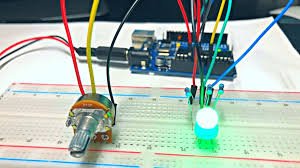
This system is built using a microcontroller (Arduino/8051/PIC) which generates a PWM signal. The duty cycle of this signal is varied based on user input (potentiometer, keypad, or sensor), and the signal drives a MOSFET/transistor that controls the power supplied to the light. Such systems are widely used in home automation, smart lighting, theater setups, and street lighting.
Parts Used:
- Arduino / 8051 / PIC Microcontroller – Generates PWM signals.
- MOSFET / Power Transistor – Controls power to the lamp/LED.
- Potentiometer / Keypad / Sensor – For brightness control input.
- LED Bulb / Incandescent Lamp – Load device.
- PWM Driver Circuit – Amplifies microcontroller signals.
- Power Supply (5V/12V/230V depending on load) – Provides system power.
- LCD Display (Optional) – To show duty cycle/brightness level.
- Resistors, Capacitors, PCB & Enclosure – For safe assembly.


 Got Questions About Your Final Year Project?